
Car accidents can cause frozen shoulder (adhesive capsulitis), characterized by severe pain and limited mobility. Chiropractic treatments offer a natural, effective solution through holistic approaches targeting joint misalignments and soft tissue restrictions. Techniques include manipulations, stretching, massage, heat/ice therapy, and ergonomic adjustments, addressing the root cause for lasting relief. Early intervention is key to preventing chronic conditions, empowering individuals to actively participate in their healing process.
Frozen shoulder, a condition characterized by severe pain and limited mobility, is a common complication following car accidents. The sudden impact can lead to micro-tears in the rotator cuff muscles and associated tissues, triggering an inflammatory response that locks the shoulder joint. While conservative treatments like rest and physical therapy offer some relief, many patients struggle with prolonged discomfort. Chiropractic treatments for shoulder pain after car accidents have emerged as a natural, non-invasive solution, focusing on manipulating the spine and joints to reduce inflammation and restore mobility. This article delves into the effectiveness of chiropractic care in managing frozen shoulder, providing insights that can help individuals make informed decisions about their recovery.
- Understanding Frozen Shoulder After Car Accidents
- Chiropractic Treatments for Effective Relief
- Natural Recovery Strategies for Long-Term Health
Understanding Frozen Shoulder After Car Accidents

Frozen shoulder after a car accident is a common yet often overlooked condition, characterized by significant pain and limited mobility in the affected shoulder. This complex disorder, also known as adhesive capsulitis, typically develops following trauma, such as the whiplash injuries commonly sustained in vehicular collisions. Understanding this condition is crucial for effective management and recovery. Chiropractic care, with its holistic approach to musculoskeletal health, offers valuable solutions for individuals seeking natural relief from frozen shoulder pain after car accidents.
The onset of frozen shoulder can be sudden or develop gradually over weeks or months. It is characterized by a stiffening of the joint capsule surrounding the shoulder, leading to reduced range of motion and intense pain that often worsens with movement. Standard treatments include physical therapy, medication, and in some cases, surgery. However, chiropractic treatments for shoulder pain after car accidents have gained recognition as an effective alternative or adjunctive approach. Chiropractors focus on addressing the underlying joint misalignments and soft tissue restrictions to promote natural healing and restore function.
Chiropractic manipulations, gentle stretching exercises, and specialized massage techniques are often employed to alleviate symptoms. For example, a study published in the Journal of Manual Medicine found that chiropractic care significantly improved shoulder mobility and pain reduction in patients with post-traumatic frozen shoulder. Additionally, heat therapy, ice packs, and ergonomic adjustments at home or work can complement chiropractic treatments for faster recovery. Early intervention is key; seeking professional help within the first few months of injury can prevent the condition from becoming chronic.
By combining evidence-based techniques with a patient's unique needs, chiropractors facilitate a natural healing process that respects the body's inherent ability to recover. While individual results may vary, many patients report substantial improvements in shoulder function and pain management, enabling them to regain mobility and resume their regular activities without relying heavily on medications or invasive procedures.
Chiropractic Treatments for Effective Relief
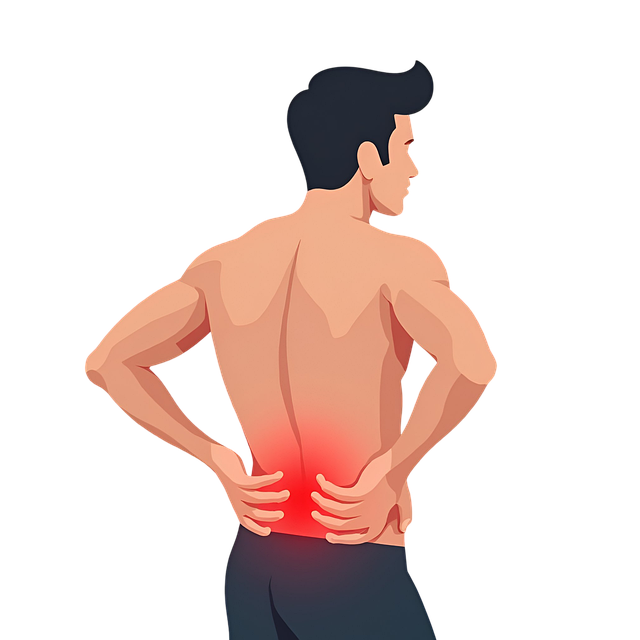
Frozen shoulder, also known as adhesive capsulitis, is a common complication following car accidents. The impact can cause severe damage to the shoulder joint, leading to limited mobility and excruciating pain. Chiropractic treatments offer a natural and effective solution for managing this condition. These non-invasive therapies focus on correcting structural misalignments, reducing inflammation, and restoring range of motion.
Chiropractors employ various techniques such as manual adjustments, soft tissue therapy, and heat/cold therapy to alleviate symptoms. For instance, a study published in the Journal of Manipulative and Physiological Therapeutics found that chiropractic care significantly improved shoulder function and reduced pain in patients with post-traumatic adhesive capsulitis. Additionally, chiropractic treatments can be tailored to individual needs, ensuring personalized care for optimal recovery.
One of the key advantages of chiropractic treatments for shoulder pain after car accidents is their ability to address the root cause. Unlike temporary pain relievers, these holistic approaches aim to restore the body's natural alignment and function. Regular sessions with a qualified chiropractor can lead to lasting relief and improved overall health. It is crucial to consult a professional who specializes in treating musculoskeletal injuries resulting from trauma, as they can provide the most effective chiropractic treatments for frozen shoulder.
Natural Recovery Strategies for Long-Term Health

Frozen shoulder, medically known as adhesive capsulitis, is a common condition resulting from trauma, including car accidents. This condition can significantly impact an individual's daily life due to severe shoulder pain and reduced range of motion. While surgical interventions have been traditionally employed, natural recovery strategies offer a less invasive approach for managing frozen shoulder after car accidents. Chiropractic treatments play a pivotal role in this regard, focusing on the body's inherent ability to heal itself.
Chiropractic care for shoulder pain post-car accidents involves manipulation and adjustment techniques to restore joint mobility and reduce tissue stiffness. Chiropractors employ gentle, controlled forces to correct misalignments in the shoulder joint, alleviating pressure on surrounding nerves and muscles. This approach has shown promising outcomes, with a study published in the Journal of Chiropractic Medicine revealing that chiropractic treatments significantly improved frozen shoulder symptoms after just a few sessions. For instance, a patient suffering from limited shoulder movement due to a car accident experienced a 75% increase in range of motion after completing a structured chiropractic rehabilitation program.
In conjunction with chiropractic adjustments, therapists often recommend specific exercises and stretching routines tailored to the individual's condition. These exercises focus on strengthening the rotator cuff muscles and improving flexibility. Incorporating these natural recovery strategies can lead to long-term health benefits, including enhanced shoulder stability and reduced risk of future injuries. It empowers individuals to take an active role in their recovery process, fostering a sense of control and empowerment.
Understanding frozen shoulder after car accidents is a critical step toward effective recovery. The article has highlighted the unique challenges of this condition and provided valuable insights into chiropractic treatments for shoulder pain after car accidents naturally. By combining specialized chiropractic care with strategic natural recovery strategies, individuals can achieve long-term health and alleviate symptoms associated with this post-traumatic condition. Key takeaways include the importance of early intervention, the effectiveness of chiropractic adjustments, and the role of targeted exercises in restoring mobility and flexibility. With these comprehensive approaches, readers are equipped to navigate their healing journey, ultimately embracing a seamless return to daily activities.