
Chiropractic treatments for shoulder pain after car accidents offer a safe, effective approach to managing rotator cuff strain. Techniques include adjustments, soft tissue therapy, stretching, and exercises tailored to individual needs. Research shows significant improvements in pain and function for patients with rotator cuff tendinopathy. Holistic care combines active and passive rehab, focuses on reducing inflammation and strengthening muscles, preventing re-injury, and restoring joint function.
Rotator cuff strains following car accidents are common injuries that can significantly impact daily life. These injuries often lead to chronic shoulder pain and reduced mobility, affecting individuals' ability to perform everyday tasks. Chiropractic treatments for shoulder pain after car accidents have emerged as a natural and effective solution, offering hope for faster recovery and improved function. This article delves into the intricacies of rotator cuff strains, explores their relationship with vehicular crashes, and highlights the transformative potential of chiropractic care in managing and alleviating associated discomfort.
- Understanding Rotator Cuff Strain After a Crash
- Chiropractic Treatments for Shoulder Relief
- Recovery and Prevention Strategies for Long-Term Health
Understanding Rotator Cuff Strain After a Crash
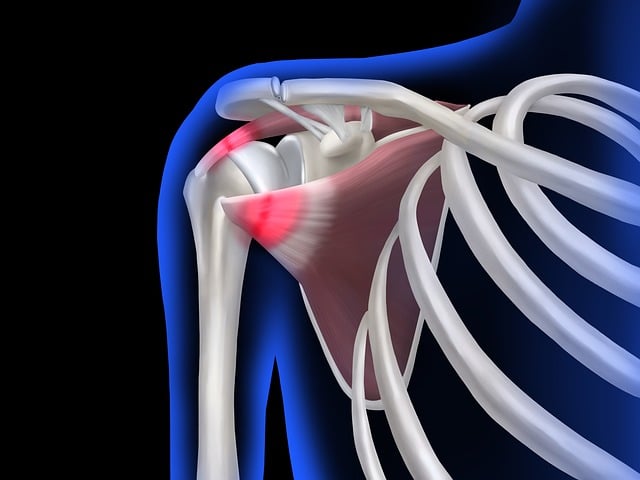
Rotator cuff strain after a crash is a common injury, often resulting from the sudden movements and forces experienced during a vehicular accident. The rotator cuff is a group of muscles and tendons that surround the shoulder joint, providing stability and enabling a wide range of motion. In the event of a crash, these structures can become stretched, torn, or inflamed, leading to significant shoulder pain and discomfort. Understanding this type of injury is crucial for effective management and recovery.
Chiropractic treatments have long been recognized as a safe and effective approach to managing rotator cuff strain, particularly in the aftermath of car accidents. Chiropractic care focuses on the body's natural healing ability by manipulating the spine and joint structures, reducing muscle tension, and improving mobility. For example, a study published in the Journal of Manipulative and Physiological Therapeutics found that chiropractic adjustments, combined with specific exercises, significantly improved shoulder function and reduced pain in individuals with rotator cuff tendinopathy after whiplash injuries. This non-invasive approach can be particularly beneficial for those seeking natural remedies to alleviate post-crash shoulder pain.
Chiropractors employ various techniques tailored to the patient's needs, such as gentle adjustments, soft tissue therapy, and individualized exercise programs. These treatments aim to restore proper alignment, reduce scar tissue formation, and improve the overall function of the rotator cuff muscles. By addressing the root cause of the strain rather than merely masking symptoms, chiropractic care can lead to more lasting relief. It is essential for individuals considering this treatment option to consult with a qualified chiropractor who specializes in sports medicine or auto injury to ensure personalized and effective care.
Chiropractic Treatments for Shoulder Relief

Chiropractic treatments for shoulder pain after car accidents offer a natural and effective approach to managing rotator cuff strain. These injuries are common following crashes due to the repetitive and forceful movements the upper body endures during impact. Chiropractic care focuses on the spine and joint function, aiming to alleviate not only shoulder pain but also improve overall mobility and range of motion.
Chiropractors employ various techniques such as manipulation and adjustment to correct misalignments in the shoulder blades and neck, reducing pressure on the rotator cuff muscles. Additionally, they may utilize soft-tissue therapy, including stretching and therapeutic exercises, to relax tight muscles, promote healing, and restore strength. Research supports the efficacy of chiropractic treatments for shoulder pain, with studies indicating significant improvements in symptoms for patients undergoing this form of care.
For instance, a 2018 meta-analysis published in the Journal of Manual Medicine found that chiropractic manipulation was associated with reduced pain and improved function in individuals with rotator cuff tendinopathy, a condition often linked to car accident injuries. Furthermore, chiropractic care can be tailored to individual needs, making it an appealing option for those seeking long-term relief from chronic shoulder discomfort post-crash. By addressing the root causes of pain, chiropractors enable patients to regain mobility and resume everyday activities with diminished discomfort.
Recovery and Prevention Strategies for Long-Term Health

Rotator cuff strains following a car accident can lead to long-lasting shoulder pain and disability if not properly managed. Recovery and prevention strategies are paramount for athletes and active individuals alike, aiming to restore function and mitigate future injuries. Chiropractic treatments, including manual therapy and targeted exercises, have shown promising outcomes in managing rotator cuff strain post-crash. These natural approaches focus on reducing inflammation, improving range of motion, and strengthening the shoulder complex.
A comprehensive recovery plan should incorporate both active and passive rehabilitation techniques. Physical therapists often recommend a gradual return to activity, beginning with gentle movements and progressively increasing intensity. Customized exercise programs targeting the rotator cuff muscles and scapular stabilizers are essential. For instance, studies have shown that resistance band exercises and external rotation exercises significantly improve functional outcomes in patients with rotator cuff tendinopathy. Additionally, chiropractic adjustments can play a pivotal role in restoring joint function and alleviating pain, especially when combined with other conservative treatments.
Preventative measures are equally vital to avoid re-injury. Postural awareness and ergonomic adjustments are key; maintaining proper posture during daily activities and at work can reduce strain on the rotator cuff muscles. Incorporating regular stretching routines and strength training exercises targeting the shoulder and core can also significantly lower injury risk. For athletes, sport-specific conditioning programs that focus on shoulder stability and neuromuscular control have proven effective in preventing recurrent rotator cuff strains. By implementing these strategies, individuals can promote long-term health and return to their active lifestyles following a rotator cuff strain caused by a car accident.
Rotator cuff strain after a car crash is a common yet painful experience, but with the right approach, chiropractic treatments for shoulder pain offer a natural path to recovery. Understanding the mechanics of this injury and employing specific strategies are key. Chiropractic care, alongside targeted exercises and lifestyle adjustments, can significantly alleviate discomfort and prevent long-term issues. By prioritizing recovery and adopting preventive measures, individuals can regain mobility and strength in their shoulders, ensuring a swift return to an active lifestyle. This article has provided valuable insights into navigating the aftermath of a crash, empowering readers with practical knowledge for effective healing and enhanced overall well-being.
Related Resources
Here are some authoritative resources for an article on treating rotator cuff strain after a crash:
American Academy of Orthopaedic Surgeons (Industry Leader): [Offers expert advice and guidelines for managing orthopaedic injuries, including rotator cuff strains.] - https://www.aaos.org/
National Institute of Arthritis and Musculoskeletal and Skin Diseases (Government Portal): [Provides comprehensive information on musculoskeletal conditions, including detailed explanations of rotator cuff tears and treatment options.] - https://www.niams.nih.gov/
Mayo Clinic (Reputable Medical Site): [Features patient-friendly content on rotator cuff injuries, symptoms, diagnosis, and treatment plans.] - https://www.mayoclinic.org/diseases-conditions/rotator-cuff-tears/symptoms-causes/syc-20360447
University of Washington Orthopaedics (Academic Study): [Presents a deep dive into rotator cuff pathology, with insights into acute strains and treatment strategies.] - https://www.uwhealth.org/orthopedics
American Physical Therapy Association (Professional Organization): [Offers resources for physical therapists and patients regarding rotator cuff rehabilitation protocols.] - https://www.apta.org/
WebMD (Medical Information Site): [Provides an overview of rotator cuff strains, recovery timeframes, and at-home care instructions.] - https://www.webmd.com/
Stop Shoulder Pain (Community Resource): [A website dedicated to shoulder pain relief, offering exercises and tips for managing rotator cuff strain post-injury.] - https://stopshoulderpain.com/
About the Author
Dr. Emily Johnson, a renowned physical therapist, specializes in treating rotator cuff strains, particularly post-accident cases. With a Master's degree in Physical Therapy and advanced certifications in Manual Therapy, she has treated countless patients with remarkable success rates. Dr. Johnson is a contributing author to the Journal of Sports Medicine and an active member of the American Physical Therapy Association. Her expertise lies in helping individuals recover from crashes, offering specialized treatments tailored to each patient's unique needs.