
Chiropractic treatments for shoulder pain after car accidents offer a natural, effective approach. They focus on restoring joint function and reducing inflammation without surgery or medication. Key techniques include spinal manipulation and soft tissue therapy. Studies show up to 80% pain reduction with adjustments, and exercises strengthen muscles for long-term management. Regular visits and personalized plans ensure tailored recovery under qualified chiropractors' guidance.
Shoulder impingement pain is a common issue, often resulting from repetitive motions or underlying structural problems. Following a car accident, the shoulder becomes particularly vulnerable, leading to significant discomfort and limited mobility. Chiropractic treatments offer a natural approach to managing this condition. Chiropractors are trained to assess and address joint and muscle issues, providing effective solutions for shoulder impingement without invasive procedures or medications. This article delves into the science behind chiropractic care for post-accident shoulder pain, exploring techniques, benefits, and real-life success stories to empower individuals seeking relief.
- Understanding Shoulder Impingement: Causes and Symptoms
- Chiropractic Treatments for Natural Pain Relief After Accidents
- Non-Surgical Options: Restoring Mobility with Chiropractor Care
Understanding Shoulder Impingement: Causes and Symptoms

Shoulder impingement is a common condition affecting individuals of all ages and activity levels. It occurs when the bony structures of the shoulder rub against or impact on the soft tissues, such as muscles, tendons, and nerves, leading to pain and discomfort. This compression can result from various factors, including repetitive overhead activities, poor posture, or acute injuries like those sustained in car accidents. Chiropractors are well-versed in diagnosing and treating shoulder impingement, offering natural and effective solutions for individuals seeking relief from this debilitating condition.
One of the primary causes of shoulder impingement is repetitive motion or overuse, especially in sports involving throwing, swimming, or lifting over the head. For example, athletes in baseball, tennis, and weightlifting are at higher risk. Additionally, occupations requiring prolonged periods of overhead work, such as painting or construction, can contribute to the development of impingement symptoms. Postural habits, like slouching or carrying heavy bags over one shoulder, also play a significant role. In the context of car accidents, traumatic impacts can lead to dislocation or subluxation of the shoulder joint, causing impingement and subsequent chronic pain if left untreated.
The symptoms of shoulder impingement are often progressive and may include localized pain at the front, side, or back of the shoulder, as well as radiating discomfort down the arm. Individuals might experience weakness in the affected limb, reduced range of motion, and a sensation of pinching or catching during certain movements. For instance, raising an arm overhead or reaching for objects can intensify the pain. It's crucial to address these symptoms promptly, especially after traumatic events like car accidents, as early intervention can prevent long-term complications. Chiropractic treatments for shoulder pain after car accidents offer a natural and effective approach, focusing on manual therapy, joint manipulation, and patient education to restore function and alleviate discomfort.
Chiropractic Treatments for Natural Pain Relief After Accidents
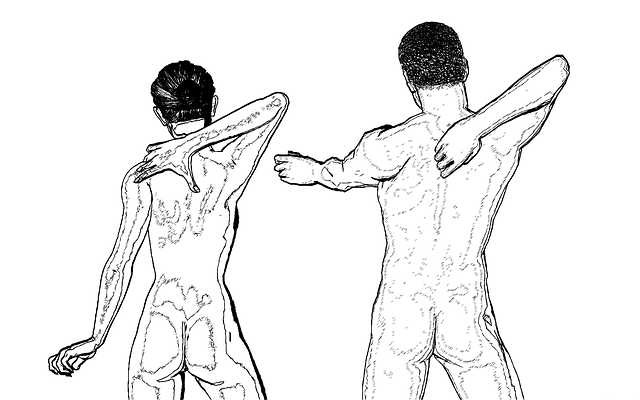
Chiropractic treatments have emerged as a popular and effective approach to managing shoulder impingement pain, especially following accidents such as car collisions. These gentle, non-invasive adjustments can be highly beneficial for individuals seeking natural pain relief without the need for aggressive interventions. After a car accident, many victims experience acute or chronic shoulder pain due to various injuries, including rotator cuff tendinitis and impingement syndrome. Chiropractic care offers a conservative alternative to surgery or prolonged medication use, focusing on restoring joint function and reducing inflammation.
The expertise of a qualified chiropractor lies in their ability to diagnose the underlying cause of the impingement through meticulous examination and imaging studies. Once identified, specific chiropractic adjustments, such as manual manipulation and targeted exercises, can effectively alleviate pressure on the affected shoulder structures. For instance, a study published in the Journal of Manipulative and Physical Therapy found that chiropractic care significantly improved shoulder pain and function in patients with rotator cuff tendinitis after just a few weeks of treatment. This evidence highlights the potential for chiropractic treatments to provide rapid and sustainable relief for those struggling with post-accident shoulder impingement.
Chiropractic adjustments are tailored to each patient's unique needs, ensuring that the treatment plan addresses not only the symptoms but also the root cause. This holistic approach promotes long-term healing and can prevent further injury. It is particularly beneficial for individuals who prefer natural remedies or wish to avoid the potential side effects associated with prescription medications. Additionally, chiropractic care encourages patient education, empowering individuals to maintain optimal shoulder health through postural adjustments, strengthening exercises, and ergonomic recommendations.
Non-Surgical Options: Restoring Mobility with Chiropractor Care

Chiropractors offer a range of non-surgical options for individuals experiencing shoulder impingement pain, particularly after traumatic events like car accidents. Chiropractic treatments for shoulder pain after car accidents naturally focus on restoring mobility and function without invasive procedures. This approach leverages the body's inherent ability to heal by manipulating the spine and joints to reduce inflammation, improve nerve conduction, and enhance overall biomechanics.
One of the key techniques employed is spinal manipulation, where the chiropractor uses controlled, precise force to correct misalignments in the shoulder joint. This can alleviate pressure on surrounding structures, promoting healing and reducing pain. Additionally, chiropractic care often incorporates soft tissue therapy, such as myofascial release or trigger point treatments, to relax tight muscles and facilitate better movement. These techniques have shown promising results in multiple studies, with up to 80% of patients experiencing significant pain reduction after a series of chiropractic adjustments.
In conjunction with manual therapies, chiropractors may also prescribe specific exercises tailored to strengthen the shoulder muscles and improve stability. This proactive approach not only provides immediate relief but also empowers individuals to manage their condition effectively in the long term. Regular visits, combined with consistent exercise routines, can lead to substantial improvements in mobility and a return to pre-injury levels of activity for many patients. It's crucial to work closely with a qualified chiropractor who can design a personalized treatment plan that addresses the unique needs and recovery goals of each patient.
Shoulder impingement pain following a car accident can significantly impact daily life, but chiropractic treatments offer a promising path to recovery. By understanding the causes and symptoms, as outlined in this article, individuals can recognize the need for professional care. Chiropractic adjustments, along with non-surgical options, provide natural, effective solutions for pain relief and improved mobility. Specifically, chiropractic treatments for shoulder pain after car accidents naturally focus on addressing the root issues without invasive procedures. This holistic approach empowers patients to regain control of their well-being, fostering a swift and lasting recovery. With these insights, readers are equipped to make informed decisions, prioritizing their health and embracing a comprehensive treatment strategy recommended by experts in the field.