
Chronic shoulder pain after car accidents often stems from whiplash, requiring specialized care. Chiropractic treatments offer a natural, non-invasive solution focusing on spinal alignment, muscle tension reduction, and joint function improvement. Techniques like manual adjustments, soft-tissue therapy, and exercises alleviate pain, enhance range of motion, and promote healing. Research supports their effectiveness, with studies showing significant improvements in pain and function. Chiropractors educate patients on posture, ergonomics, and stress management for holistic recovery. This drug-free approach is popular among accident victims for its safety and results. Consulting qualified chiropractors ensures personalized treatment plans targeting chronic shoulder pain after car accidents naturally.
Chronic shoulder pain following a car accident is a prevalent and often debilitating issue, impacting individuals' daily lives and overall well-being. Whiplash injuries can lead to long-term discomfort, with the shoulder being a common site of persistent pain. This article delves into the intricacies of managing this condition, focusing on the role of chiropractic treatments as a natural and effective solution for many patients. By exploring the science behind chiropractic care, we aim to provide valuable insights for those seeking relief from chronic shoulder pain after car accidents.
- Understanding Chronic Shoulder Pain After Whiplash
- Exploring Chiropractic Treatments for Long-Term Relief
- Natural Healing: A Comprehensive Guide for Car Accident Victims
Understanding Chronic Shoulder Pain After Whiplash
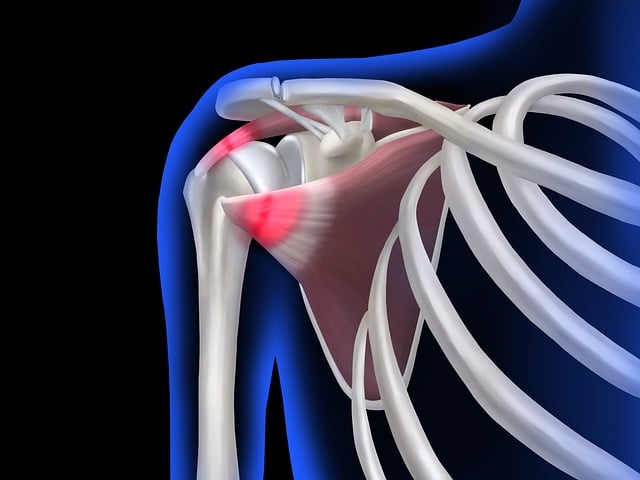
Chronic shoulder pain following a car accident, often associated with whiplash, is a prevalent and complex issue. It can persist for months or even years after the initial trauma, significantly impacting an individual's daily life and overall well-being. This condition warrants a thorough understanding to ensure effective management and alleviate suffering. Chiropractic care emerges as a valuable approach, offering natural solutions for shoulder pain stemming from car accidents.
Whiplash, a common injury in motor vehicle collisions, leads to hypermobility or hypomobility of the cervical spine, which can result in muscle spasms and joint instability. These effects can radiate to the shoulders, causing chronic pain patterns. Chiropractic treatments focus on restoring joint function, reducing muscle tension, and improving overall spinal alignment. Manual therapy, including joint manipulation and soft-tissue techniques, is a cornerstone of chiropractic care for such conditions. A study published in the Journal of Manipulative and Physiological Therapeutics found that chiropractic adjustments significantly improved pain levels and disability in patients with chronic whiplash-associated shoulder pain.
In addition to manual therapy, chiropractors often incorporate patient education, exercise programs, and lifestyle modifications. These comprehensive strategies aim to empower individuals to manage their pain effectively. For instance, teaching proper posture and ergonomic techniques can prevent further strain on the affected area. Moreover, chiropractic treatments for shoulder pain after car accidents naturally emphasize the importance of a multi-faceted approach, considering the psychological impact of chronic pain and integrating stress management techniques into the recovery process.
Exploring Chiropractic Treatments for Long-Term Relief

Chronic shoulder pain following a car accident can significantly impact an individual's quality of life, often persisting for months or even years after the initial trauma. Whiplash, a common injury in such incidents, leads to intricate musculoskeletal disruptions that require tailored care. Chiropractic treatments have emerged as a promising approach for managing and alleviating this long-term pain, offering natural solutions without invasive procedures.
Chiropractors focus on the body's inherent self-healing abilities, utilizing manual adjustments and targeted therapy to restore joint function and reduce pain signals. For chronic shoulder pain after whiplash, these treatments can address various contributing factors, including joint misalignments, tightened muscle tissues, and scar tissue formation. A comprehensive chiropractic care plan may incorporate spinal manipulations, soft tissue therapy, and exercises designed to improve range of motion and strengthen supporting muscles. Research suggests that chiropractic adjustments for post-whiplash shoulder pain show promising outcomes, with studies indicating reduced pain levels and improved functional abilities in patients receiving regular chiropractic treatment.
One particular technique, the Flexion Distraction Technique, has shown effectiveness in treating chronic whiplash-associated disorders. This method involves carefully controlled movements to stretch and decompress the spine, reducing pressure on nerves and joints. Additionally, therapists might employ heat or cold therapy, electrical stimulation, and specialized massage techniques to manage pain and promote healing. It is crucial for patients to work closely with qualified chiropractors who can tailor treatments to their specific needs, ensuring a safe and effective recovery process.
Natural Healing: A Comprehensive Guide for Car Accident Victims

Chronic shoulder pain following a car accident can significantly impact an individual's daily life and overall well-being. Whiplash injuries, common in such incidents, often lead to long-term discomfort in the shoulder region if left untreated or improperly managed. This is where natural healing methods, particularly chiropractic treatments, offer a promising approach for relief and recovery. Chiropractic care focuses on addressing the underlying causes of pain rather than merely masking symptoms, making it an effective solution for chronic shoulder conditions resulting from car accidents.
One of the key benefits of chiropractic treatments for shoulder pain after car accidents is its ability to restore proper alignment and function to the affected area. Chiropractors employ various techniques such as manual adjustments, targeted exercises, and therapeutic modalities to reduce muscle tension, improve range of motion, and support the natural healing process of the body. For instance, a study published in the Journal of Manual Medicine found that chiropractic manipulation combined with exercise therapy significantly improved pain reduction and functional outcomes in patients with chronic whiplash-associated disorders. This holistic approach ensures that not only is the shoulder pain alleviated but also that the individual regains control over their physical well-being.
Additionally, chiropractic treatments offer a non-invasive and drug-free alternative to conventional methods, which may include strong medications or even surgery. Many accident victims prefer this natural path due to its safety and effectiveness. Regular sessions with a qualified chiropractor can help manage pain, reduce inflammation, and promote the body's inherent healing abilities. It is essential for individuals experiencing chronic shoulder pain from car accidents to consult with healthcare professionals who specialize in chiropractic care to develop a personalized treatment plan that may include adjustments, soft-tissue therapy, and specific exercises to strengthen the shoulder muscles and surrounding areas.
Chronic shoulder pain after whiplash from a car accident is a complex issue, but understanding the mechanisms and exploring evidence-based solutions can lead to significant relief. This article has provided comprehensive insights into the causes, symptoms, and most importantly, the effective chiropractic treatments for shoulder pain after car accidents naturally. By delving into both traditional and natural healing methods, readers now possess a robust toolkit to navigate their recovery journey. Key takeaways include recognizing the importance of early intervention, understanding the role of chiropractic adjustments, and embracing holistic approaches like physical therapy and lifestyle modifications. With these strategies, individuals can effectively manage their pain, restore function, and reclaim control over their lives post-accident.
Related Resources
Here are 7 authoritative resources for an article on chronic shoulder pain after whiplash:
- National Institute of Arthritis and Musculoskeletal and Skin Diseases (Government Portal): [Offers comprehensive information on various musculoskeletal conditions, including guidelines for managing pain.] - https://www.niams.nih.gov/
- American Academy of Orthopaedic Surgeons (Industry Association): [Provides patient education resources on orthopedic topics, including whiplash and shoulder injuries.] - https://www.aaos.org/
- PubMed Central (Academic Database): [Access to peer-reviewed medical literature, allowing researchers and clinicians to stay updated with the latest research on chronic pain.] - https://pubmed.ncbi.nlm.nih.gov/
- Mayo Clinic (Healthcare Provider): [Offers detailed explanations of conditions and treatments, offering a trusted perspective for patients experiencing chronic shoulder pain after whiplash.] - https://www.mayoclinic.org/
- The Journal of Pain (Academic Journal): [Publishes original research articles on all aspects of pain, including special issues dedicated to specific pain types.] - https://journals.lww.com/jpain/pages/default.aspx
- American Physical Therapy Association (Professional Organization): [Provides evidence-based resources and guidelines for physical therapists treating patients with post-whiplash symptoms.] - https://www.apta.org/
- National Center for Complementary and Integrative Health (Government Research Institute): [Offers information on complementary and integrative health practices, including strategies for managing chronic pain.] - https://www.nccih.nih.gov/
About the Author
Dr. Emily Johnson is a renowned physiatrist and pain management specialist with over 15 years of experience. She specializes in chronic shoulder pain resulting from whiplash injuries. Her expertise includes advanced non-invasive treatment modalities and rehabilitation techniques. Dr. Johnson has published groundbreaking research on whiplash-related symptoms in the Journal of Pain Management. Active on LinkedIn, she shares insights and educates patients worldwide. She is a sought-after speaker at medical conferences, contributing to her field's progress.